
The digital entertainment landscape, once heralded as the ultimate freedom from the shackles of traditional cable, has transformed into a sprawling, often fragmented, and increasingly expensive ecosystem. For many, the initial allure of on-demand content at a predictable, low monthly fee has given way to a perplexing array of platforms, each vying for attention and, more importantly, a slice of the household budget. This past year, in particular, has seen a wave of significant price adjustments across major streaming services, turning what was once a simple leisure choice into a more complex financial calculation. Yet, amidst this backdrop of escalating costs and an ever-expanding content universe, annual retail phenomena like Black Friday emerge as critical strategic windows. These aren’t just moments for impulse purchases; they are opportunities for the discerning consumer to thoughtfully curate their digital subscriptions, securing premium content at a fraction of the usual price and perhaps, finally conquering that daunting watchlist without financial strain.
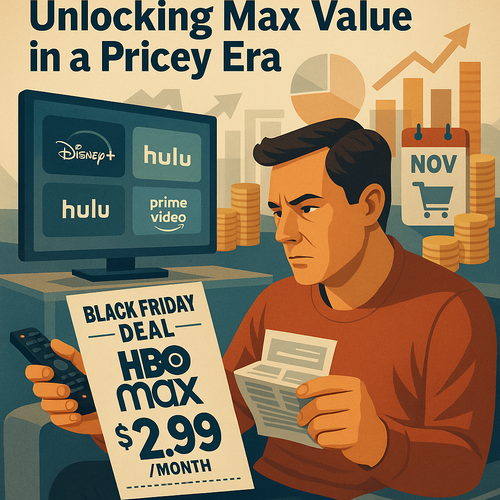
Among the plethora of tempting deals that surface during this intense shopping period, the offer from HBO Max undoubtedly stands out as a beacon for value-conscious streamers. In a direct response to recent industry-wide price hikes, including their own, the platform has launched a remarkably appealing Black Friday promotion. Both new and returning subscribers are invited to embrace an entire year of ad-supported HBO Max for an astonishingly low rate of $2.99 per month. This translates to an annual outlay of just $36, representing a substantial saving of approximately $96 when compared to the standard monthly billing. This isn’t merely a minor discount; it’s a significant revaluation of access to a treasure trove of critically acclaimed HBO originals, blockbuster movies from Warner Bros., and compelling series from the wider Max universe. This enticing, yet fleeting, opportunity, which concludes on December 1st, transforms a premium entertainment experience into an incredibly accessible one, making it an essential consideration for anyone aiming to maximize their entertainment budget.
The strategic brilliance of this HBO Max Black Friday deal extends beyond its attractive price point, woven into the broader fabric of the evolving streaming ecosystem. Offering the option to subscribe directly through the platform’s website provides a straightforward path to savings, while the alternative of adding it as a Prime Video channel enhances convenience for those already embedded in Amazon’s digital sphere, simplifying billing and access management. This dual-entry strategy underscores a consumer-centric approach, acknowledging diverse user habits. Furthermore, while the individual HBO Max subscription is undeniably a strong proposition, its presence alongside various comprehensive streaming bundles highlights a crucial industry trend. Packages combining HBO Max with popular services like Disney+ and Hulu, available in both ad-supported and ad-free configurations, signify a move towards aggregated value. These bundles ingeniously cater to a spectrum of viewing preferences, allowing for a tailored approach where the inclusion of occasional advertisements is increasingly accepted as a palatable trade-off for substantial overall cost efficiencies, signaling a pragmatic shift in consumer priorities.
A glance at the historical patterns of Black Friday and Cyber Monday reveals a recurring strategy by streaming providers to entice and solidify their subscriber bases. Previous years have seen Max (and its predecessors) rolling out equally aggressive, if sometimes shorter-lived, promotional offers, such as the memorable $2.99 per month for six months deal, which offered a staggering 70% savings. Beyond direct subscription discounts, an often-overlooked perk has been the bundling of complimentary streaming access with hardware purchases – think free months of a service included with a new smart TV or a pair of high-end headphones. These past trends serve as valuable lessons for the contemporary consumer, underscoring the immense financial benefit of patience and strategic timing. This annual shopping period has firmly established itself as a predictable cycle where waiting for promotions is not just fiscally prudent, but often the most intelligent method for managing one’s digital entertainment portfolio, extending these savings opportunities far beyond just Max to encompass a wide array of other services, from music streaming to niche content providers.
In essence, the Black Friday streaming bonanza of 2025 is far more than a mere commercial event; it represents a significant chapter in the ongoing narrative of how we consume and value media. It vividly illustrates the dynamic push and pull between an insatiable consumer demand for high-quality content and the intricate economic realities confronting content creators and distributors. As streaming giants continue to experiment with diverse pricing models and explore new revenue avenues, such as integrating advertising, consumers are increasingly empowered to act as discerning curators of their digital lives. These promotional windows are not just about temporary price cuts; they are about strategically constructing an entertainment package that aligns with both preferences and budget. This annual ritual serves as a potent reminder that the seemingly boundless library of shows and films is no longer a static, low-cost commodity, but rather a dynamic resource whose value can be intelligently unlocked. The future of entertainment consumption, it appears, is less about passive subscription and more about active, informed acquisition – a sophisticated interplay between content desire, financial prudence, and the timeless appeal of a compelling deal.