
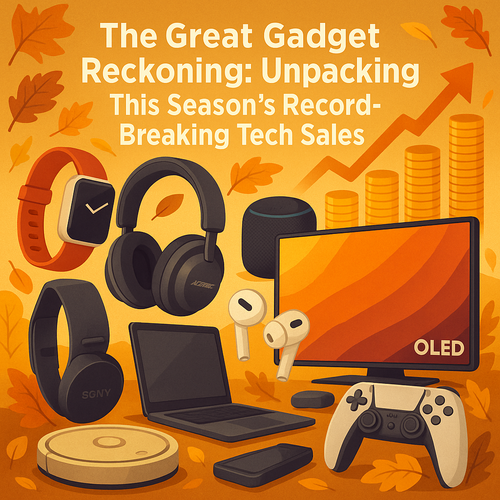
As the leaves turned and the holiday spirit began to hum, a familiar yet profoundly intensified retail phenomenon swept across the digital and physical marketplaces: the annual cascade of tech deals. This year, however, felt different. It wasn’t just about discounts; it was a veritable gold rush, a “golden age” for gadget enthusiasts, marked by an astonishing prevalence of “all-time low” prices across an incredible spectrum of beloved brands. From the sleek elegance of Apple to the acoustic prowess of Bose and Sony, and the smart innovation of Sonos and Amazon, consumers found themselves in an unprecedented buyer’s market. This seasonal spectacle transformed the traditional Black Friday and Cyber Monday into a prolonged celebration of value, prompting many to question if this marked a strategic shift in pricing or simply an extraordinary moment for savvy shoppers.
Among the most prominent categories enjoying significant price slashes were personal audio devices, particularly headphones and earbuds. The narrative wasn’t just about owning a device, but about experiencing sound – whether it was for immersive music, crystal-clear calls, or simply escaping the world with superior noise cancellation. Bose, a long-standing titan in audio, saw its flagship noise-cancelling headphones become more accessible than ever, offering a blend of travel-friendly design, spatial audio capabilities, and unparalleled comfort. Not to be outdone, Sony’s top-tier offerings continued to impress, while Apple’s AirPods, particularly the fourth-generation models, reached their lowest prices, boasting personalized spatial audio and impressive noise-cancelling features even in a semi-open fit. This aggressive pricing in the audio sector underscored a broader industry trend: the democratisation of premium sound experiences, making high-fidelity accessible to a wider audience eager to upgrade their sonic worlds.
The holiday tech bonanza extended far beyond the ears, permeating every facet of modern living. Smart home ecosystems saw substantial expansion opportunities, with entry-level Kindle devices and the new Echo Dot Max offering gateways into connected living at irresistible prices. For those seeking to enhance productivity or entertainment, slim-designed laptops, powerful OLED TVs, and gaming consoles like the PlayStation Portal became prime targets. Even mundane tasks received a futuristic upgrade, with advanced robovacs promising a cleaner holiday season without the fuss. This holistic approach to discounts, touching upon everything from smartwatches and tablets to kitchen appliances and vacuums, illustrated how retailers and brands strategically positioned technology not just as luxury items, but as essential tools and comforts that seamlessly integrate into and elevate our daily routines and leisure activities.
A recurring theme amidst the avalanche of deals was Apple’s prominent presence, often through strategic collaborations with major retailers. While Apple typically maintains premium pricing, the holiday season witnessed significant reductions on devices like MacBooks, iPads, and even the all-new Apple Watch SE 3. Beyond hardware, Apple’s Cyber Monday subscription offers, providing months of service at a fraction of the usual cost, showcased a multi-pronged approach to customer acquisition and retention. This wasn’t merely about individual product discounts; it highlighted a dynamic interplay where retailers like Best Buy, Amazon, Walmart, and Target leveraged their vast platforms to host exclusive promotions, creating a fiercely competitive environment. The concept of “last-minute savings” for Christmas gifts further intensified this retail rumble, turning the final weeks leading up to the holidays into a high-stakes dash for consumer attention and spending.
The sheer scale of these holiday discounts, often described as “all-time lows,” presented a fascinating paradox against a backdrop of general price hikes and economic uncertainties. It suggested a strategic response from manufacturers and retailers, perhaps to clear inventory, stimulate demand, or maintain market share in a competitive landscape. For consumers, this meant an opportunity to acquire aspirational tech items that might otherwise be out of reach. The thrill wasn’t just in the purchase, but in the hunt for genuine value, separating the fleeting deals from the truly significant price drops. Products like the Bose QuietComfort Headphones dropping from $359 to $199, or Sony’s WH-1000XM5 headphones becoming available for $248, exemplified how perceived value could be dramatically reshaped by a well-timed promotion, transforming desirability into tangible affordability and rewarding the patient, discerning shopper.
As the dust settles on this extraordinary holiday shopping season, one thing is clear: the landscape of tech consumption is continually evolving. This year’s aggressive pricing strategy, particularly the prevalence of “all-time low” deals, marks a significant moment, showcasing both the industry’s adaptability and consumers’ growing expectations for value. It prompts us to consider whether this was an anomaly driven by specific market conditions, or a harbinger of a new era where premium technology becomes more frequently accessible through strategic discounting. Regardless, the 2025 holiday tech haul will be remembered not just for the gadgets acquired, but for redefining what constitutes a truly unbeatable deal in an increasingly connected and competitive world, leaving us to ponder how future seasons will innovate to capture our attention and our wallets.